
Blog
Blog
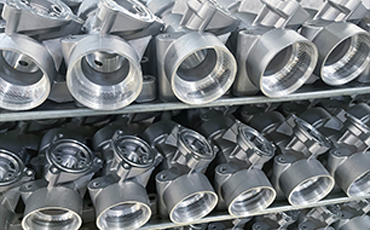
How Are High-strength Aluminum Alloy Parts Processed? What Capabilities Should A Precision Manufacturing Supplier Possess?
High-strength aluminum alloy parts are commonly used in automotive components, electric vehicle parts, bicycle components, water-cooling heat dissipation modules, aerospace components, and various industrial equipment.
 27 Aug 2026
Read more
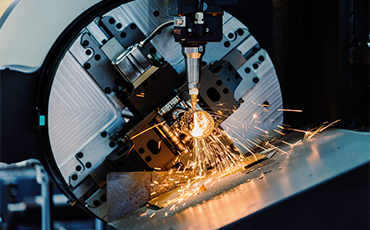
Taiwan CNC Machining Factory: From Prototype to Mass Production, One-Stop Service
In Taiwan's central industrial corridor, particularly around Changhua and Taichung, machining factories can be found almost everywhere.
29 Jul 2026Read more

What Requirements Should an Automotive Precision Parts Manufacturer Meet? Is IATF 16949 Important?
The requirements for automotive parts are very different from those of general industrial components. Many people assume that having advanced machinery and high machining precision is enough to secure automotive orders. However, what truly matters for an automotive precision parts manufacturer is not just the ability to produce parts, but whether they can consistently achieve mass production, maintain full traceability, and comply with automotive industry standards. This is why IATF 16949 has become a key requirement for many automotive brands and Tier 1 suppliers.
01 Jun 2026Read more

Why Are High-End Bicycle Components Getting Lighter? The Lightweight Secrets of Aluminum Alloy Precision Machining
In recent years, the high-end bicycle market has placed increasing emphasis on "lightweighting." Whether for road bikes, mountain bikes, or e-bikes, premium brands now treat weight reduction as a core design priority when developing components. The reason is straightforward: lighter parts improve riding efficiency, enhance handling responsiveness, and reduce physical fatigue during long rides. For performance-driven brands and riders, lightweighting is no longer just a marketing claim—it is a key part of product competitiveness.
22 Apr 2026Read more
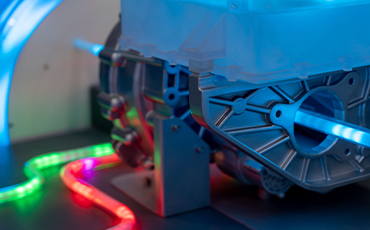
What Are the Key Factors of Liquid Cooling Modules? A Complete Guide to Precision Manufacturing in High-Performance Liquid Cooling Systems
In recent years, whether in AI servers, data centers, or the electric vehicle (EV) industry, “thermal management” has become one of the most challenging issues for R&D engineers. As chip computing power continues to increase and battery charge/discharge wattage rises, traditional air cooling with fans is no longer sufficient. As a result, many are turning to liquid cooling solutions.
22 Apr 2026Read more

CNC Machining 2026: Mill-Turn, 5-Axis & Swiss-Type Explained
By 2026, precision in manufacturing is no longer just about accuracy—it must also be fast and stable. If you are developing precision components, whether for electric vehicle thermal management modules or aerospace parts, CNC machining is unavoidable. But when faced with options like mill-turn machining, 5-axis machining, and Swiss-type lathes, how do you choose the right solution that balances cost and quality?
14 Jan 2026Read more

Electric Vehicle Thermal Crisis: 3 Major Precision-Machining Limits in Thermal Management Components
With the explosive growth of the electric vehicle (EV) market, battery range and charging speed have become the main competitive battlegrounds for automakers. However, behind these advantages lies a critical technical threshold: the thermal management system. When heat dissipation fails, it can shorten battery lifespan at best, or cause serious safety incidents at worst. To overcome thermal challenges, the manufacturing requirements for liquid cold plates and cooling modules have reached unprecedented levels, placing immense pressure on the supply chain.
30 Dec 2025Read more

Friction Stir Welding (FSW): A Future Technology for Aerospace Manufacturing
In the field of aerospace manufacturing, the quality of material joining directly affects flight safety and cost efficiency. Friction stir welding is gradually becoming the preferred technology in the aerospace industry, especially for aluminum alloy structural components.
01 Dec 2025Read more
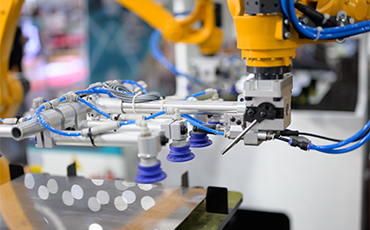
Six Common Problems and Solutions in Electric Vehicle Parts Processing
The EV industry demands far higher standards for dimensional accuracy, thermal management, and reliability compared with traditional automotive components. When searching for CNC machining services, have you ever encountered these frustrating issues? With over 30 years of experience, Tung Shuhn Precision understands the challenges customers face when selecting a precision machining partner. Here we share the six most common industry problems and our proven solutions.
28 Oct 2025Read more
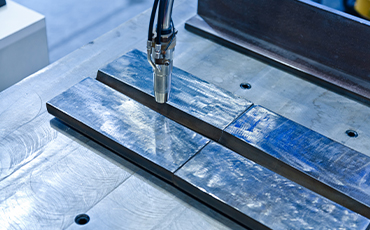
Aluminum Alloy FSW Welding Guide: 6 Common Problems
With the global push toward lightweighting, aluminum alloy FSW (Friction Stir Welding) technology has become a core process in automotive manufacturing, electric vehicle component fabrication, and the aerospace sector. FSW utilizes a solid-state joining method, where frictional heat generated by a rapidly rotating tool softens the aluminum material to a plastic state rather than melting it. This avoids typical defects seen in traditional fusion welding, such as cracks, porosity, and excessive heat-affected zones. This revolutionary technique is particularly well-suited for manufacturing lightweight components with thin walls and complex geometries. This article outlines six common issues in aluminum alloy FSW welding. If you encounter any of these, Tung Shuhn Precision is ready to provide expert solutions to help you optimize manufacturing efficiency across your global supply chain.
03 Oct 2025Read more
Eco-friendly Manufacturing of EV Parts: Tung Shuhn's Circular Economy Practices and Low-carbon Supply
Facing the ESG challenges of the global electric vehicle boom, Tung Shuhn Precision, with its core focus in Taiwan, is deeply engaged in environmentally friendly manufacturing of electric vehicle parts. Through innovative practices such as material recycling, waste reduction, and green packaging, we achieve a low-carbon, efficient circular economy, supporting your green supply chain strategy.
19 Aug 2025Read more
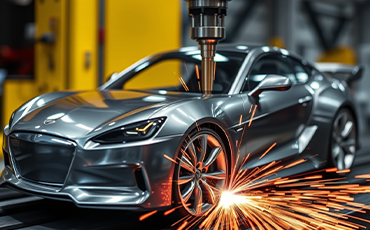
Five Advantages of Using FSW Technology to Improve Automotive Manufacturing Efficiency.
As the global manufacturing industry develops towards lightweight, high efficiency and low emissions, the automotive industry has an increasingly urgent need for innovative manufacturing technologies. Among them, Friction Stir Welding (FSW) has gradually become a popular choice for enhancing automotive manufacturing capabilities due to its non-melting welding characteristics. This article discusses the application of FSW technology in automotive manufacturing and its five key benefits in improving manufacturing efficiency.
29 Jul 2025Read more
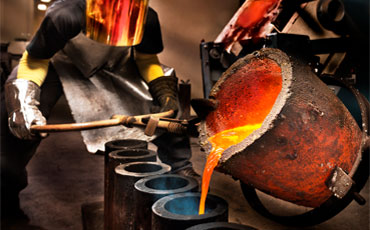
Aluminium alloy casting: lightweight revolution for new energy vehicles
As the world pays more and more attention to environmental protection and energy efficiency, new energy vehicles (NEV) are rapidly developing and becoming popular as the main alternative to traditional fuel vehicles. In this rapidly changing market, aluminium alloy casting technology is becoming an essential part of NEV manufacturing, and its unique properties and applications are leading the future manufacturing direction.
30 Dec 2024Read more
Precision Casting Technology: A New Engine for Revolutionizing Manufacturing
The rise of precision casting technology is profoundly changing traditional manufacturing. Compared with traditional casting processes, precision casting can more accurately replicate complex geometric shapes, greatly improving the dimensional accuracy and surface quality of castings. At the same time, it expands the application range of materials, shortens the product development cycle, and reduces production costs.
30 Dec 2024Read more