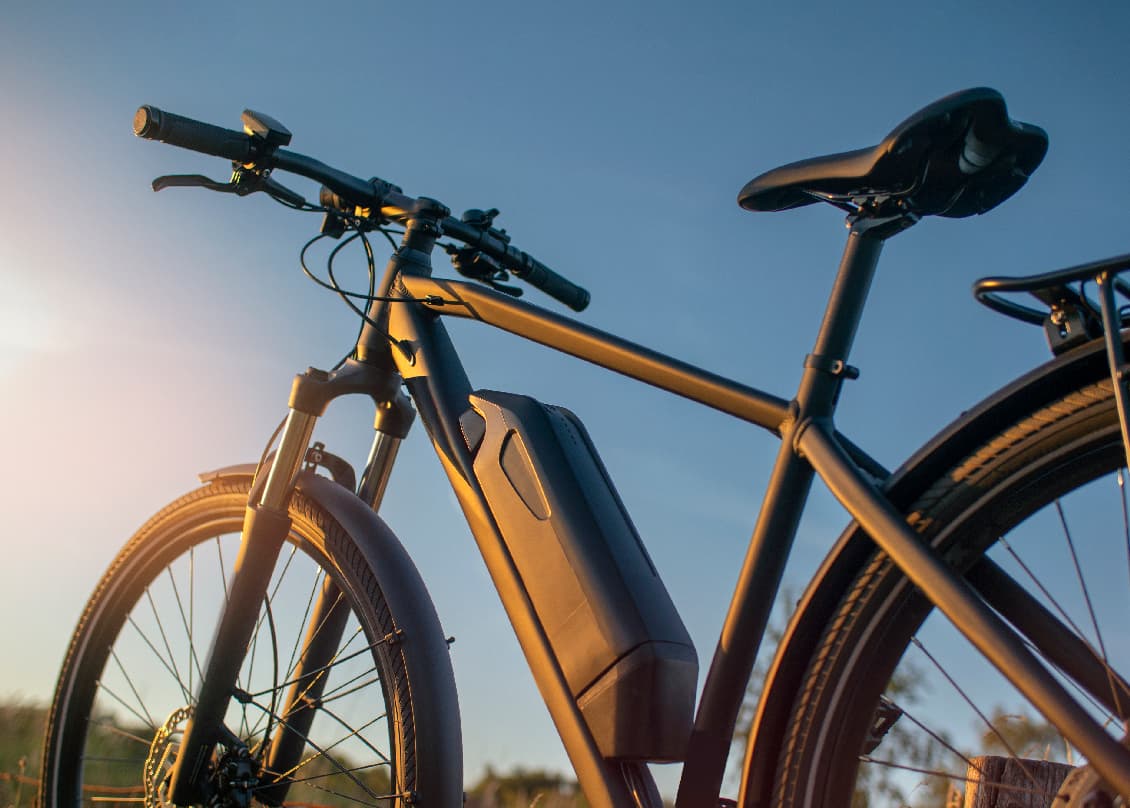
Why Are High-End Bicycle Components Getting Lighter? The Lightweight Secrets of Aluminum Alloy Precision Machining
In recent years, the high-end bicycle market has placed increasing emphasis on "lightweighting." Whether for road bikes, mountain bikes, or e-bikes, premium brands now treat weight reduction as a core design priority when developing components. The reason is straightforward: lighter parts improve riding efficiency, enhance handling responsiveness, and reduce physical fatigue during long rides. For performance-driven brands and riders, lightweighting is no longer just a marketing claim—it is a key part of product competitiveness.
However, making bicycle components lighter does not simply mean thinning the material. The real challenge lies in reducing weight while maintaining sufficient strength, rigidity, and durability. Components such as pedals, connectors, suspension parts, brake system elements, and frame-related parts must all strike a balance between safety and weight. This is why the high-end bicycle industry widely adopts aluminum alloys, combined with high-precision machining technologies to realize their designs.
The advantages of this machining approach include the ability to achieve the following:
- Reduce unnecessary overall weight
- Maintain structural rigidity and safety
- Improve dimensional accuracy and assembly stability
- Meet the high-end market's strict requirements for appearance and detail consistency
For premium bicycle brands, the value of CNC machining for bicycle components goes beyond simply producing parts—it is about transforming design concepts into stable, mass-producible products through precision manufacturing.
Lightweight Components Depend Not Only on Design, but Also on Mass Production Capability
During the product development stage, many components can achieve ideal weight targets through design. However, once mass production begins, the real challenges emerge. Unstable machining conditions may lead to dimensional deviations, inconsistent surface quality, weight variations, or assembly tolerance issues, ultimately affecting overall quality and delivery schedules.
Therefore, for premium bicycle brands, procurement teams, and development teams, supplier selection should not be based solely on price. Greater attention should be paid to the following factors:
- Whether stable aluminum alloy precision machining capabilities are in place
- Whether mature CNC process management systems are implemented
- Whether the supplier can support prototyping, testing, and mass production integration
- Whether batch consistency and delivery stability can be maintained
- Whether the supplier understands the precision and appearance requirements of high-end bicycle components
These factors often have a greater impact on long-term collaboration value than single-order processing costs.
Manufacturing Advantages of Taiwan's Bicycle Component Supply Chain
Taiwan has long held a significant position in the global bicycle industry. In particular, it has accumulated extensive experience in high-end bicycle component manufacturing, precision metal machining, and supply chain integration. From product development and prototyping to mass production supply, Taiwan's manufacturing ecosystem offers rapid responsiveness and stable quality—key reasons why international brands continue to rely on Taiwan's supply chain.
TUNG SHUHN Precision Industrial has long focused on precision metal component manufacturing, offering services such as CNC machining, forging, casting, and FSW (Friction Stir Welding). These technologies are applied across industries including bicycles, electric vehicles, automotive, liquid cooling, industrial equipment, and aerospace. For high-end bicycle component development, manufacturing partners with both precision machining expertise and mass production integration capabilities are better positioned to help customers translate lightweight designs into stable products.
Lightweight High-End Bicycle Components Result from the Integration of Materials, Machining, and Quality
The increasing lightweighting of high-end bicycle components is not achieved by material substitution alone. It is the result of integrating aluminum alloy properties, precision structural design, CNC machining technologies, and mass production quality management.
As the market continues to move toward higher performance, lighter weight, and greater stability, brand expectations for suppliers will continue to rise. The ability to reduce weight while maintaining precision, strength, and production stability will become a key differentiator in high-end bicycle component manufacturing.